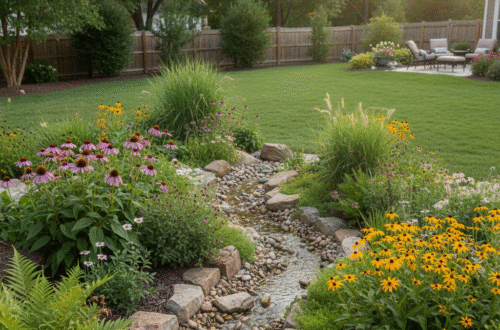
A beautiful lawn & garden can be the highlight of your home. With just a little regular maintenance, your lawn can become the envy of the neighborhood. A healthy lawn relies on six key steps, starting with weed control and soil preparation.
Weed Control for Healthy Lawns
Weeds are often the first problem to address. If you notice large areas of weeds and very little grass, it may be time to start over.
- Spray weeds with a non-selective weed killer, but use caution since it kills all plants.
- If your lawn has only a few weeds, use a selective herbicide to spot treat those areas.
Soil Improvement and Aeration
Once weeds are under control, the next step is to improve your soil. Over time, soil quality degrades, preventing air and nutrients from reaching the roots.
- Dethatch your lawn with a garden rake to remove dead grass and debris.
- Aerate your soil to reduce compaction. A core aerator removes plugs of soil, while a spike aerator is better suited for small yards.
Seeding for Thicker Grass
When your lawn and soil are ready, it’s time to seed.
- Choose warm-season seeds like Bermuda and Centipede, or cool-season types like Fescue and Bluegrass.
- Over-seed healthy lawns for an even spread of grass.
- Spot-seed bare patches by loosening the soil, spreading seed, and covering lightly with mulch or straw.
- Keep seeded areas moist to support germination without overwatering.
Feeding Your Lawn
Proper feeding ensures green, healthy grass.
- Measure your lawn square footage to determine the right fertilizer amount.
- Apply evenly with a broadcast or drop spreader, and avoid overlapping.
- Weed and feed products save time but avoid them when seeding new grass.
- Use a starter fertilizer instead when planting grass seed.
Check out our lawn fertilizer guide for more detailed instructions.
Mowing Best Practices
Mowing is essential to maintain lawn health.
- Only mow when the lawn is dry to avoid clumping.
- Follow the one-third rule: never cut more than one-third of grass blade length.
- Cool-season grasses are usually cut taller, while warm-season grasses shorter.
- Keep mower blades sharp and alternate mowing patterns.
Watering the Lawn
Consistent watering keeps your lawn lush.
- Most lawns need about one inch of water weekly.
- Water deeply in the morning to reduce evaporation.
- Use a timer on sprinklers to avoid waste and runoff.
- A rain gauge can help track how much water your lawn receives.
Keeping Your Lawn & Garden Thriving
By following these steps—controlling weeds, improving soil, seeding, feeding, mowing, and watering—you can maintain a vibrant lawn & garden. With consistent care, your yard will remain green and beautiful year-round.
For more information on lawn maintenance, visit Lowe’s Lawn Care. You can also explore our internal guide to home improvement tips for related outdoor projects.