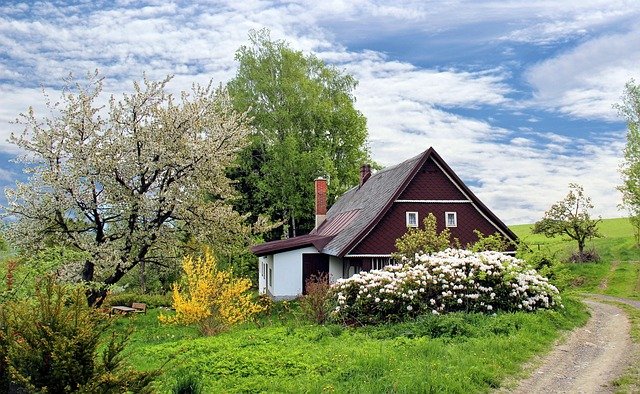
Few garden styles capture the heart and soul like cottage garden plants in the English style. With their enchanting colors and fragrances, they create a romantic and welcoming atmosphere. To achieve this timeless look, choose plants that intertwine and mingle as though they’ve grown together for years.
Although the effect may seem carefree, an English cottage garden requires thoughtful planning. Without it, a charming tangle of blooms can turn into chaos. To help you get started, here are the top cottage garden plants that bring life, fragrance, and beauty to your outdoor space.
Peach Leaf Bellflower
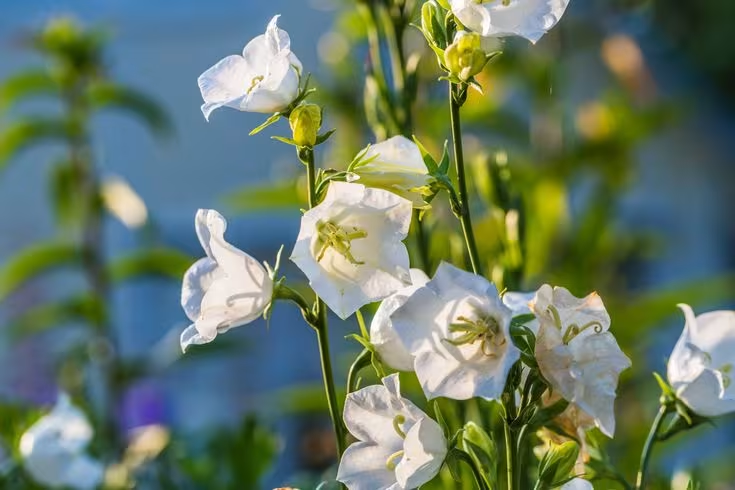
The delightful bellflowers, especially the Peach Leaf Bellflower (Campanula persicifolia), add a touch of whimsy to any cottage garden. Blooming through most of summer, their long stems and abundance of buds make them excellent cut flowers.
Unlike other campanula species, they do not self-seed aggressively. They gently reappear each year in new spots, always a welcome sight in your garden.
Learn more about perennials you can use in your garden.
Cottage Pinks
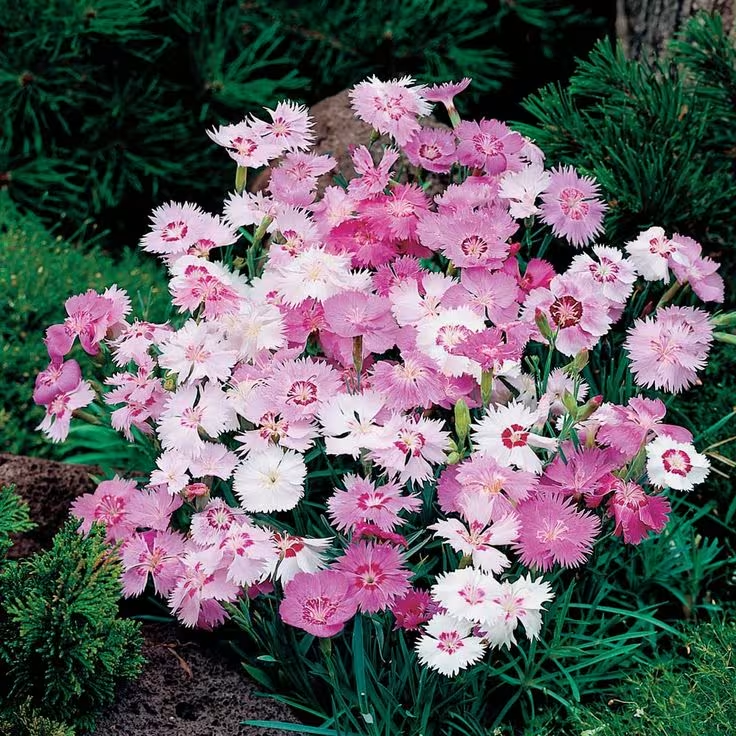
Another favorite is the cottage pink (Dianthus plumarius). These flowers have a spicy scent and fringed petals typical of dianthus species. Their shorter height makes them perfect for the front of your borders.
Plant them where you’ll brush against them to release their fragrance fully. With new color varieties appearing each year, cottage pinks are hardy, drought-resistant, and irresistible to butterflies.
Delphiniums
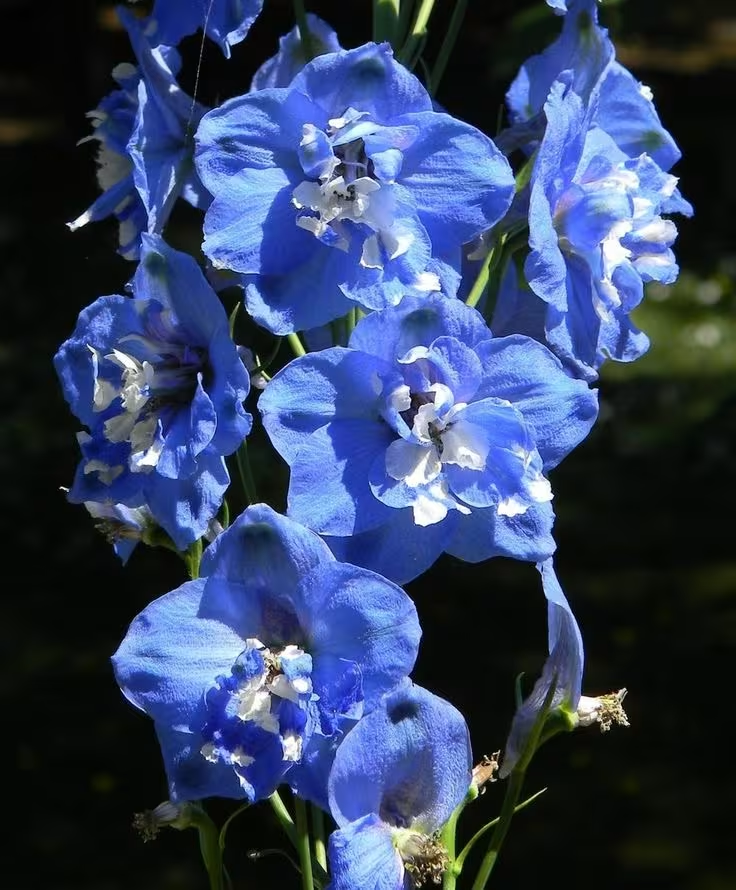
Majestic delphiniums are beloved for their striking flower spikes. While temperamental, their beauty makes the extra care worthwhile.
They thrive in colder climates but need protection from summer heat. Plant them in sheltered spots to shield them from wind and rain. Regular deadheading encourages repeat blooms that continue into fall, sometimes until the first frost.
Hollyhocks
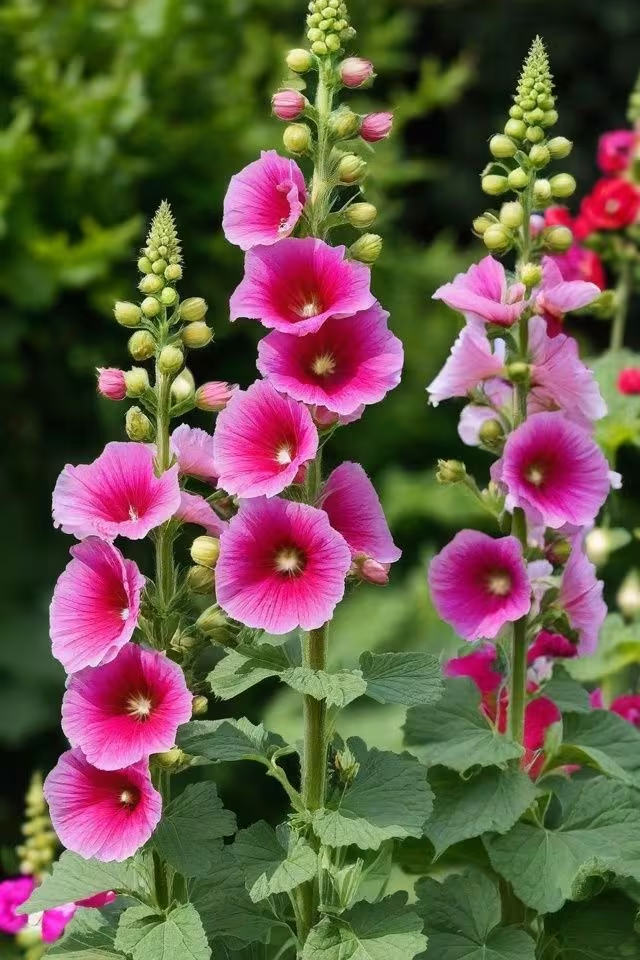
Hollyhocks are a timeless cottage garden staple. With tall spires of blooms in colors ranging from white and yellow to pink and near-black, they create a dramatic backdrop effect.
Not only do they draw butterflies and bees, but their large, textured leaves add visual interest when not in bloom. Their classic presence ensures they never go out of style.
Lavender
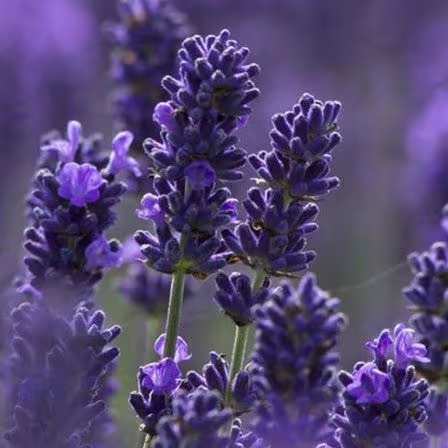
No English garden feels complete without lavender. Known for its vibrant purple blooms and soothing scent, lavender engages the senses in every way.
It attracts pollinators, resists drought, and serves as a low-maintenance border or pathway plant. Whether for fragrance, resilience, or beauty, lavender is a must-have among cottage garden plants.
See additional tips on growing lavender successfully.
Garden Phlox
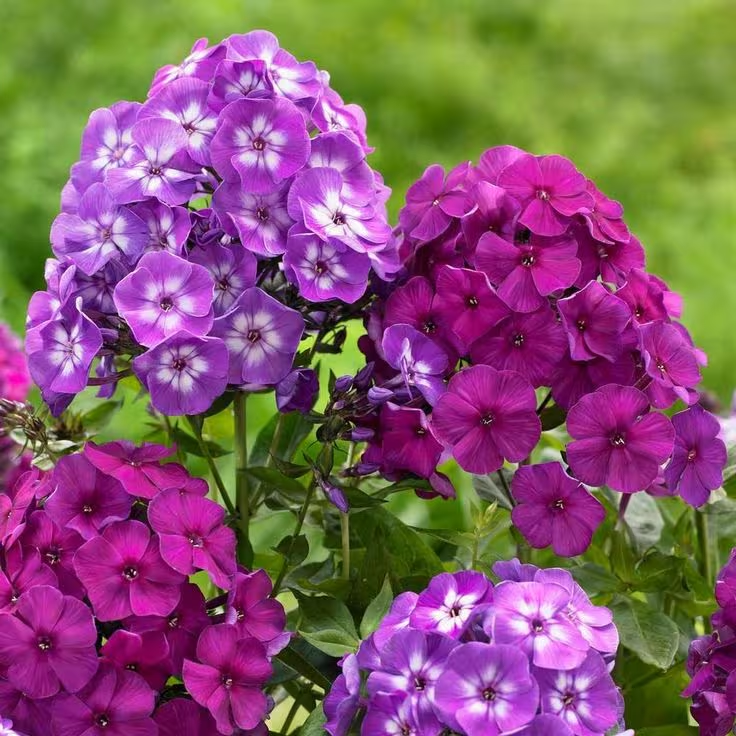
Garden phlox (Phlox paniculata) shines in late summer with clusters of colorful blooms lasting over a month. Modern varieties resist mildew, making them easy to maintain even in humid climates.
These flowers not only brighten your garden but also attract creatures like the hummingbird moth, enriching your local ecosystem.
Roses
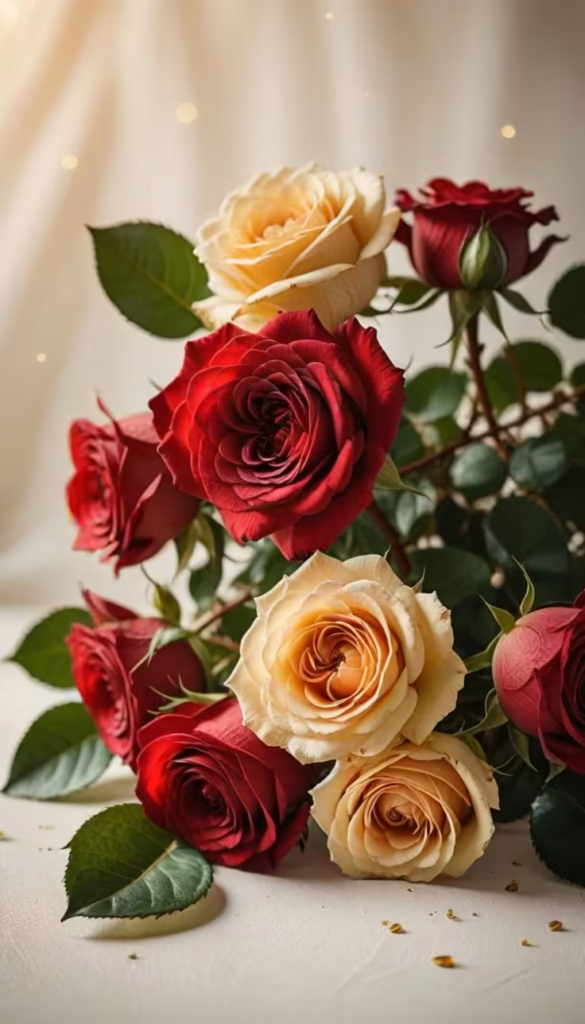
Finally, no cottage garden is complete without roses. From climbing roses draped over arches to shrub roses supporting delicate vines, they embody English garden charm.
Modern English roses retain heavenly fragrance while offering better disease resistance. Their timeless elegance ensures they remain the crown jewel of any traditional cottage garden.
Explore more about choosing the right roses for your garden.
Bringing It All Together
By blending these cottage garden plants—from bellflowers and cottage pinks to towering hollyhocks, calming lavender, vibrant phlox, and timeless roses—you can recreate a fragrant slice of the English countryside in your own backyard. With thoughtful care and the right mix, your garden will bloom into a colorful and enchanting haven.
For more inspiration, check out this Royal Horticultural Society guide on English cottage gardening.