
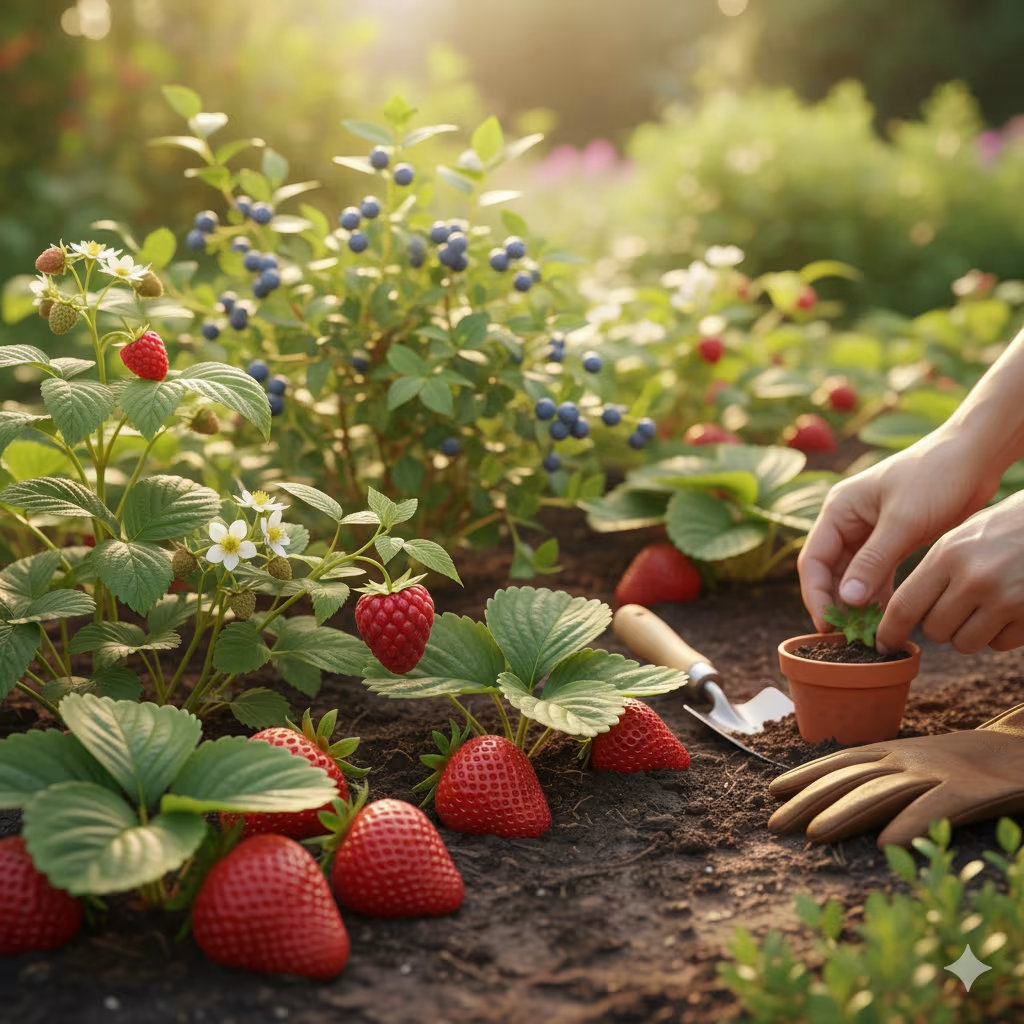
Berries are Nature’s original superfoods! They’re loaded with vitamins, low in carbs for those looking to get ‘the shine’, and they’re low in fuss too. So you really should be growing them!
If you want to get more berries into your diet without spending much at the grocery store, now’s your chance to grow them for free. Let’s explore how berry plants grow a garden full of flavor and color.
Grow Raspberries from Root Suckers
Raspberries are among the easiest soft fruits to grow. They propagate themselves by sending out shoots from their roots called ‘suckers’.
Look for suckers around a foot from the main plant to avoid damage when digging them up. Lift the sucker carefully, plant it at the same depth, and trim it down to about 10 inches tall. Keep the new plant well watered, and only take suckers from healthy, disease-free plants.
Transplant suckers any time of year, but autumn or early spring before buds burst is best.
How to Take Blueberry Cuttings
Blueberries are a favorite for health-conscious gardeners. Winter is ideal for taking hardwood cuttings of many berry plants.
Young stems with pale green or red color make the best cuttings. Trim each to about six inches, then sterilize your pruners using a bleach-water mix. Cut just below a leaf node at the bottom and a slanted cut at the top.
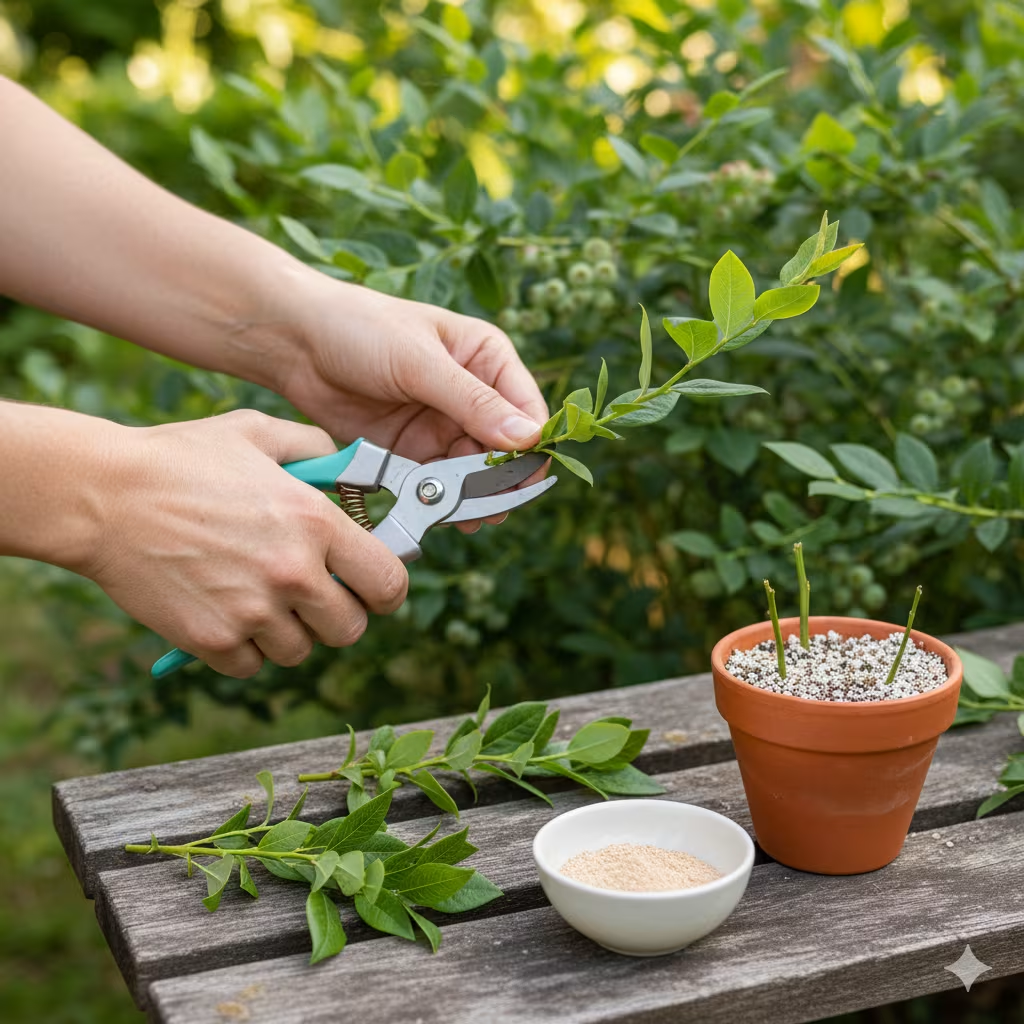
Dip your cutting in hormone rooting gel and plant halfway into a low-nutrient mix of coconut coir and perlite. Keep them moist and sheltered from harsh sunlight.
Propagate Currants and Gooseberries
Winter is the perfect time for hardwood cuttings of currants, gooseberries, figs, or grapevines. This quiet season is ideal for starting new berry plants.
Choose pencil-thick young stems, about a foot long, and cut just below a bud. Trim the top above a bud at a slant. For gooseberries and red or white currants, remove lower buds to encourage short stems.
Plant the cuttings in well-drained soil or deep pots filled with a mix of compost and coarse sand. Place them in a sheltered cold frame or greenhouse, and water regularly.
Grow and Transplant for Strong Root Systems
Keep the pots shaded from strong sun, and by next autumn, you should see rooted plants ready to separate and plant. Allow new growth to form before transplanting them to the garden.
Avoid letting young plants flower early. This helps them focus on forming strong root systems. By their second spring, you’ll have developed plants ready to grow and fruit.
Enjoying the Fruits of Your Effort
Your new berry bushes will thrive — raspberries, currants, and blueberries will reward your garden with vibrant harvests.
Excess berries can be easily frozen, so you’ll never have too many! These “berry” good fruits are a natural fit if you want to let berry plants grow a garden rich with flavor and health.
To explore more home gardening methods, read our internal guide on how to grow fruit trees from cuttings. For further propagation techniques, visit the Royal Horticultural Society website for expert growing advice.
