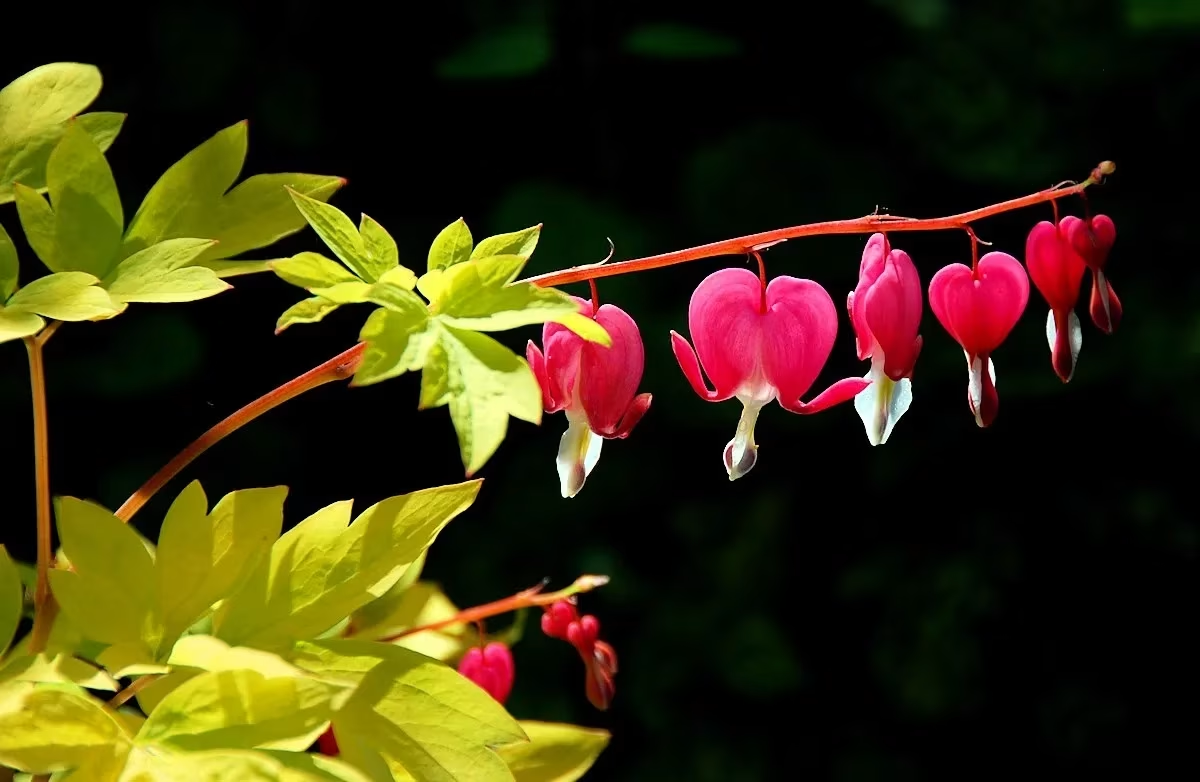
Bleeding heart leaves turning yellow can be a major cry for help in your plant’s health. Broken heart or swiss cheese is known for its resilience, but even tough plants show stress through yellowing leaves. Today, we dive into the causes and, most importantly, the solutions to bring your plant back to life.
Common Causes of Yellow Leaves
Underwatering Issues
Yellowing leaves can be triggered by several factors. If the leaves feel crispy and yellow, your plant may be thirsty. Allowing the soil to become bone dry before watering is a sign of underwatering.
- Increase your watering frequency.
- Bottom water your plant if soil becomes hydrophobic.
- In spring and summer, water when 25% of the topsoil is dry.
- In winter, let 50% of the topsoil dry before watering.
Overwatering Problems
When roots sit in soggy soil, they cannot breathe. Broken heart plants prefer well-draining soil. Overwatering is often more serious than underwatering.
- Overwatered soil will feel heavy and waterlogged.
- By the time yellow leaves appear, root rot may have begun.
- For minor root rot, trim affected roots and repot in fresh soil.
- For severe root rot, propagate a healthy stem cutting to start new growth.
Lack of Light
While broken hearts can tolerate low light, insufficient light slows growth and causes yellowing leaves.
- Relocate your plant to a brighter spot.
- Place it near a bright window where it can see the sky.
- Use a grow light if natural sunlight is blocked by buildings or foliage.
Pest Infestation
Inspect the underside of leaves for intruders like spider mites or mealybugs. These pests feed on plant sap, leading to weakened and yellow foliage.
- Remove damaged leaves.
- Use insecticides or a natural neem oil solution.
- Reapply treatment regularly until pests are eradicated.
Nitrogen Deficiency
Nitrogen is vital for chlorophyll production and energy conversion. Indoor plants deplete soil nitrogen quickly.
- Fertilize monthly during spring and summer with a nitrogen-rich fertilizer.
- Stop feeding in fall and winter.
Natural Leaf Shedding
If new leaves are emerging but older leaves at the base are yellowing, this is natural. The plant redirects energy from old leaves toward fresh growth.
Pro Tip: Humidity Matters
Broken heart plants thrive in humidity.
- Place water bowls near your plant.
- Use a humidifier to mimic its tropical environment.
- Healthy humidity makes a big difference in leaf health.
Links
- Learn more about indoor plant care tips on our website.
- Check our detailed guide on watering indoor plants correctly.
- For additional insights, read the University of Minnesota Extension guide on yellowing leaves.